

When selecting cleanroom wipes, the person responsible for the cleanroom/hygiene should define the requirements for wipe quality and cleanliness themselves depending on the area of application and check them if necessary. The information and recommendations of the manufacturer/supplier can be used as a guide, but the cleanroom operator should carry out an individual check. VDI Guideline 2083 Sheet 9.2 provides good guidance here. It lists the requirements for the use of cleanroom wipes. Consumables cannot be assigned to an air cleanliness class, which is why the designation ISO 7 wipe is misleading.
The main area of application for wipes is cleaning, but they are also used as a carpet pad. If the wipes are used to remove contamination, the wipe material should not contaminate the process environment with impurities and particles. Wipes can have the following different properties:
Knitted wipes made of polyester or a polyester/polyamide blended fabric are particularly suitable for specific cleaning activities in cleanrooms and particularly sensitive surfaces or surfaces close to products.
If both high cleanliness and high liquid absorption are required, we recommend a double-layer polyester cloth. If you want to remove the smallest particles, a microfiber cloth is the first choice as a cleanroom cloth.
In addition to cleaning, wipes are also used in cleanrooms to disinfect surfaces. The aim here is to apply biocides and sporocides evenly. If too much biocide is used, streaks can remain and the wipe must be re-cleaned. If too little biocide is used, areas remain dry and germs can survive. Both are undesirable in cleanroom cleaning and can lead to expensive rework or downtime. This risk can be avoided by using pre-impregnated wipes, as uniform impregnation is guaranteed from the first to the last wipe (see below for a comparison).
Cleanroom wipes are the most widely used cleaning consumables in cleanrooms. It is therefore logical that high demands are placed on this product. The wipes used must absorb contamination quickly and efficiently, but at the same time should release as few particles as possible or none at all. Unsuitable wipe qualities can release residues from cleaning agents and disinfectants and leave them on the surface to be cleaned.
Whether a cloth has a low particle emission depends on several factors:
The mechanical load during cleaning removes fibers and particles from the cloth. A suitable cloth quality should therefore be selected. For particularly sensitive areas, there are wipes that are washed several times and packaged under cleanroom conditions. In addition, endotoxin evaluations are available for use in GMP areas to ensure that the wipe does not pose a risk. Low-outgassing wipes are available for special applications such as the assembly of satellites and/or optical lenses.
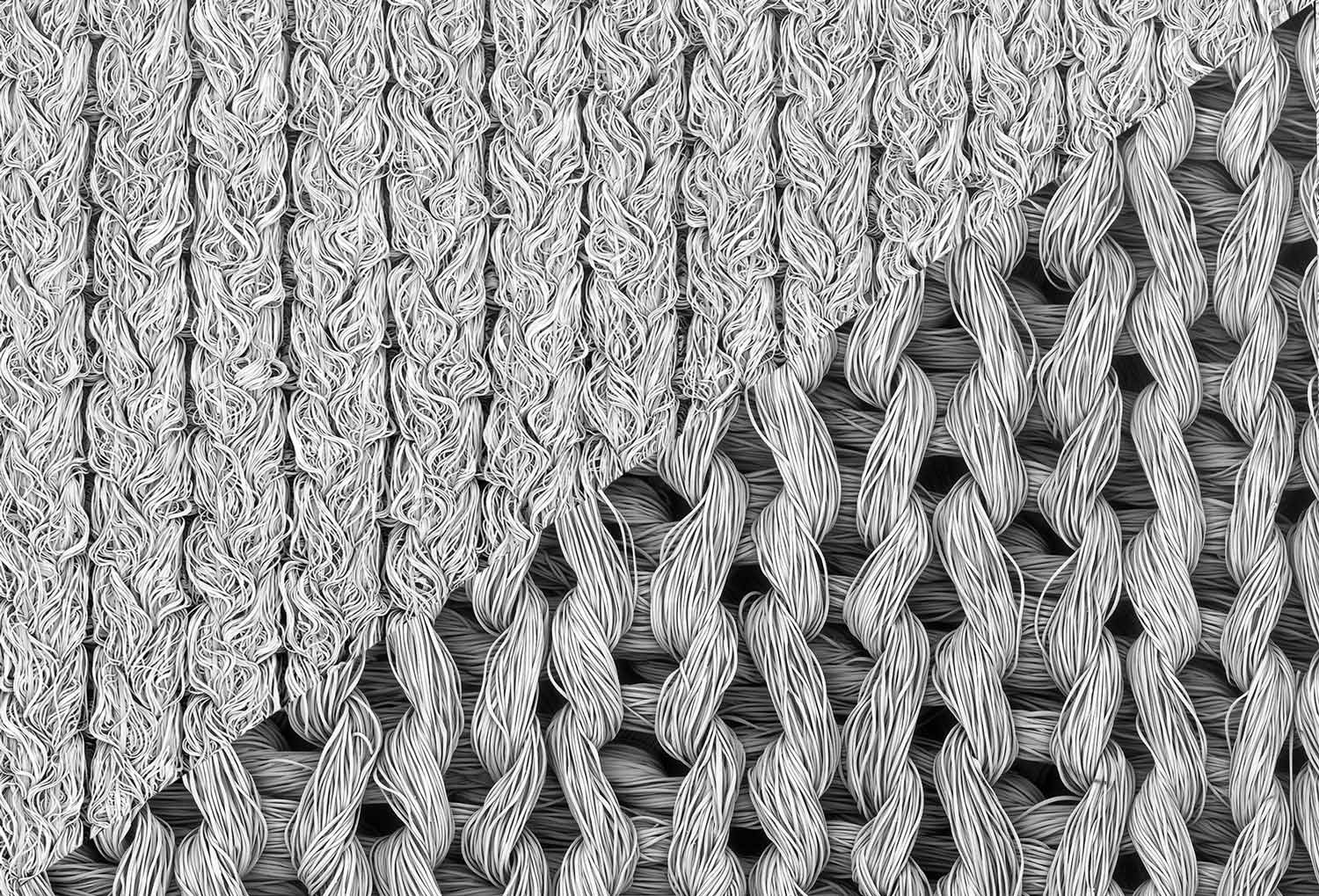
The area of application determines the selection of a suitable wipe. Non-woven wipes cannot be washed after production and therefore contain a higher number of particles due to the production process. Knitted wipes are usually washed several times in cleanrooms after production and packaged in cleanroom-compatible packaging. These wipes are suitable for sensitive areas. When selecting a suitable wipe, the cutting technique used should also be taken into account, as this has an influence on the particle release of the finished packaged wipe. The following techniques are used:
Special folding and wiping techniques are recommended to ensure that particles and fibers that remain on the edges of the cloth during the cutting process are not released.
When selecting the right cleaning cloth, the grammage (g/m²) should also be taken into account. The unit of measurement g/m² indicates the weight in relation to the surface area. The properties of the different cloths can be traced back to this weight (e.g. absorbency, tear resistance, etc.). If different cloths are compared, the grammage should be taken into account, as this has an influence on the cloth properties.
When a cleanroom wipe is used dry, electrostatic charges can occur, e.g. due to friction. This can lead to damage in ESD areas, which is why a cleaning cloth used here should have antistatic properties.
The most frequently produced cloths are between 8 and 12 inches in size. The production of cloths in special sizes is possible on request.
The following points are important when selecting cleanroom wipes:
Due to the many influencing factors, we recommend testing the cleanroom wipes in question. We are happy to support you with our expertise during this test phase. Please contact us for samples. Various aspects must be taken into consideration when comparing and analyzing cleanroom wipes.
In many cleanroom applications, reproducibility is required. This means that similar processes can be carried out identically and thus a repeatable result can be achieved. When wipes are moistened, this would mean that each wipe must be equally moist or soaked (uniformly moist within the wipe and the same amount of liquid from wipe to wipe). This is difficult to achieve with manual moistening, e.g. by spraying, as the user is not a constant. The assessment of when a wipe is sufficiently saturated is at the discretion of the user and is therefore not reproducible. Pre-soaked wipes, on the other hand, offer uniform wetting of the liquid, which is also important for use in disinfection in order to achieve the required log level reduction.
To compare the different impregnations, you can place a soaked cloth on the surface for a defined period of time and continue cleaning after five minutes, for example. As a rule, most "cheap" cloths will already be dry and require the use of another fresh cloth; high-quality cloths pass this test with flying colors!
Spraying for cleaning or disinfection should be avoided in the cleanroom for several reasons.
Wiping with damp cloths is much more efficient than spraying alone. Dirt particles and microorganisms can be removed more effectively and employee protection is also increased. The cleaning performance also depends on the cloth properties and can be increased by selecting microfiber materials, for example.
Dry cloths:
Pre-soaked cloths:
The individual costs for dry sterile wipes, sterile disinfectant and additional labor are comparable to the procurement costs for pre-soaked wipes (often of higher quality and purity).
Nevertheless, there may be situations where the use of a soaked cloth is at a disadvantage compared to a spray bottle, namely in extremely hard-to-reach areas - even if these do not exist in the cleanroom. Here, spraying can be used as a supplement to achieve disinfection (killing of microorganisms) - however, it is not possible to achieve successful cleaning (absorption and removal of contamination).
Before making the final selection for wipes in the cleanroom, the requirements should be defined:
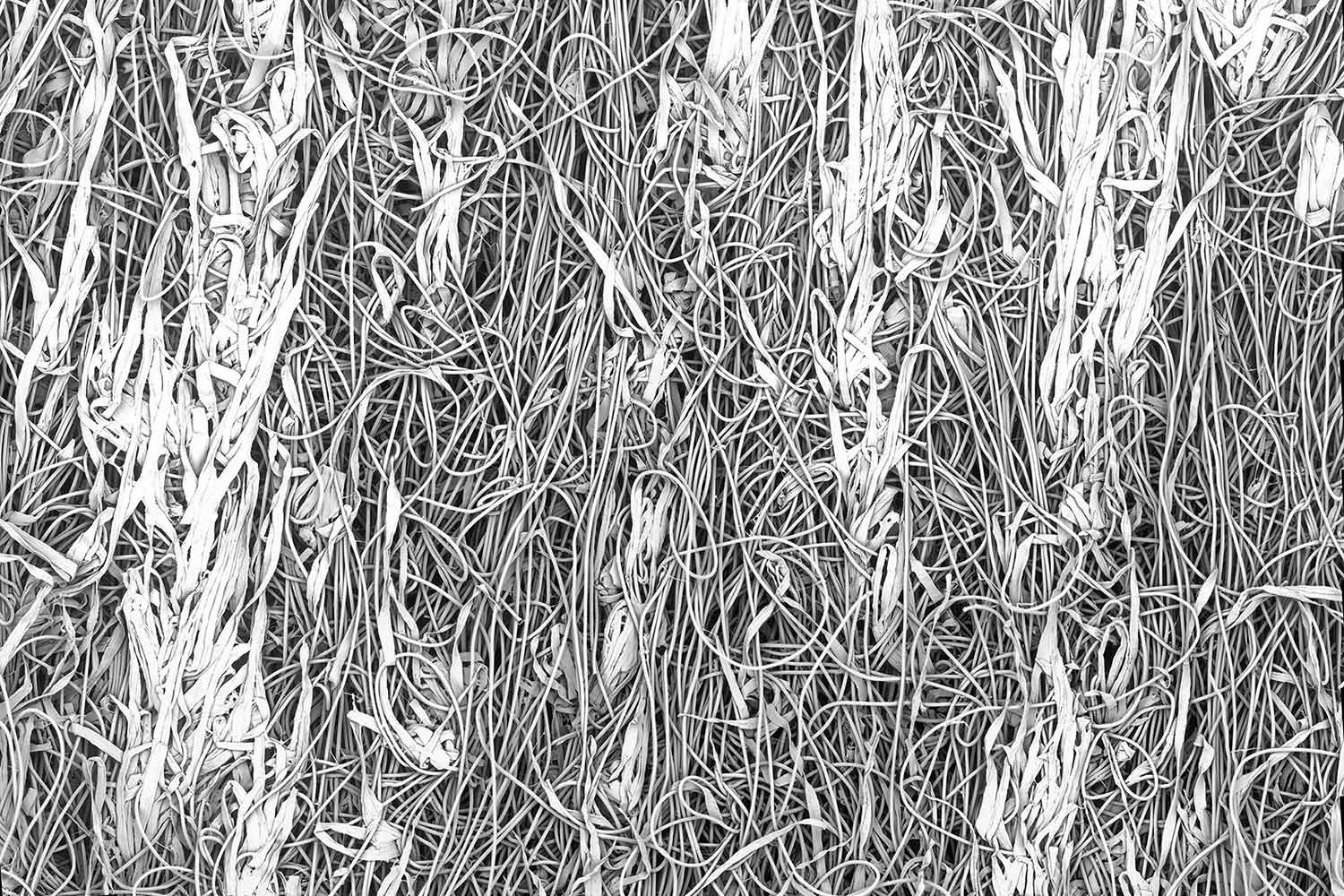
Soaked wipes are used for cleaning and disinfection in cleanrooms. Wipes with isopropanol 70/30 certainly make up the largest proportion here, along with other agents. The quality of the liquid used (e.g. DI or WFI quality, germ filtration or sterility, endotoxin load, etc.) should be taken into account. Conformity with the EU Biocidal Products Directive is also an important feature.
If the wipe is used for disinfection, it should release liquid well and thus wet the surface evenly. The quality of the wipe, in particular the material and processing, any pre-treatment (decontamination), detectable residues, edge processing, the cleanroom class in which the wipes are packaged or filled, the packaging and sterility should be considered. Further information can be found here for dry wipes.
The following materials are frequently encountered:
It is important that the user defines his own process-dependent requirements for cloth quality and cleanliness depending on the area of application and checks them if necessary. The creation of a specification sheet is recommended here. Information and recommendations from manufacturers/suppliers can serve as a basis. However, individual validation should be carried out by the cleanroom operator.
With manual moistening by spraying, it is obvious that not every cloth can be equally moist or soaked (evenly moist within the cloth, as well as the same amount of liquid from cloth to cloth). The user is a major variable in this case. The assessment of when a wipe is "moist enough" is always subjective and cannot be reproduced. Pre-soaked wipes, on the other hand, provide uniform and correct wetting of the liquid, which is important for achieving the desired germ reduction during disinfection.
If used separately, dry wipes and disinfectant (e.g. in a spray bottle) must be introduced separately. The process must be defined for each product and the packaging may need to be pre-cleaned. As only one product needs to be introduced with pre-soaked wipes, this aspect is also advantageous. There are also no empty spray bottles that need to be disposed of, which is particularly positive in the case of high consumption. Process optimization can also be achieved outside of the cleanroom application areas. Only one product needs to be procured and qualified, and at the same time stock monitoring is only necessary for the impregnated wipe (instead of for the dry wipe and agent). A decisive advantage of ready-to-use wipes is the saving in working time and effort.
Pre-soaked wipes are removed from the pack, folded and can be used directly. Pre-soaked wipes often contain significantly more liquid than can be sprayed onto dry wipes in a short time. This means that the cleaning/disinfection processes can be carried out faster, more efficiently and more evenly. be carried out.
There are various packaging options for pre-saturated wipes, which are also available on the market from different suppliers. Folded wipes, which can be removed quickly and easily, offer the most advantages for users. A strong adhesive flap makes them easy to reseal and prevents them from drying out so that the remaining wipes can be used for longer. An additional aluminum coating on the inside of the bag ensures diffusion-tightness (can be important for IPA or H2O2, for example).
The cost factor is of course an important point when deciding which product is best suited to your requirements. We at comprei are happy to provide you with our expertise to help you analyze the costs.
For many applications, the use of soaked cloths is an advantage over self-soaking and spraying. In hard-to-reach areas, it may also be necessary to work with a spray bottle (this kills the microorganisms). The removal of unwanted residues (=cleaning) does not take place here.
Before using pre-impregnated wipes in cleanrooms, the requirements should be defined. Essentially, these are
location (ISO/GMP cleanroom, cleanroom class)
These points have an influence on the factors to be considered:
Pre-soaked wipes offer these significant advantages over manual spraying and/or self-soaking, especially when used for disinfection in cleanrooms:
General Contact:
+43 4242 – 44075
office@comprei.eu
Contact training
+43 4242 - 44075-60
ausbildung@comprei.eu
Contact accessories
+43 4242 - 44075-10
vertrieb@comprei.eu
All rights reserved. Information and content provided by
comprei Reinraum-Handel und Schulungs GesmbH.

• Villach headquarters
+43 4242 – 44075
office@comprei.eu
• Learning Solutions
+43 4242 – 44075-60
ausbildung@comprei.eu
• Clean Services
+43 4242 – 44075
dienstleistung@comprei.eu
• Clean Consumables
+43 4242 – 44075-10
vertrieb@comprei.eu
All rights reserved. Information and content provided by
comprei Reinraum-Handel und Schulungs GesmbH.

A day filled with team spirit, trust, and shared experiences.

Realistic simulations and visualizations of activities make invisible connections visible. Learners experience their own impact in the cleanroom right in the middle of the action. They experience in-depth sensitization that becomes firmly anchored.